

Introduction
The landscape of independent business ownership has transformed dramatically over the past few years, with artificial intelligence becoming an indispensable component of daily operations. Solo entrepreneurs now have access to sophisticated tools that were once reserved for large corporations with substantial budgets. The 2026 solopreneur AI stack represents a carefully curated collection of intelligent technologies designed to maximize productivity and minimize operational overhead. Platforms like AILeverage have emerged as essential resources for understanding which tools deliver genuine value versus those that simply add complexity. As we navigate through this evolving ecosystem, it becomes clear that strategic technology adoption can mean the difference between thriving and merely surviving in competitive markets.

Core Analysis
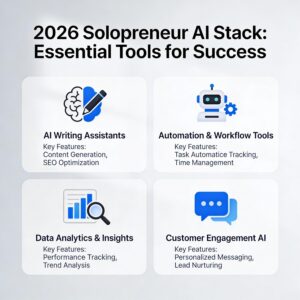
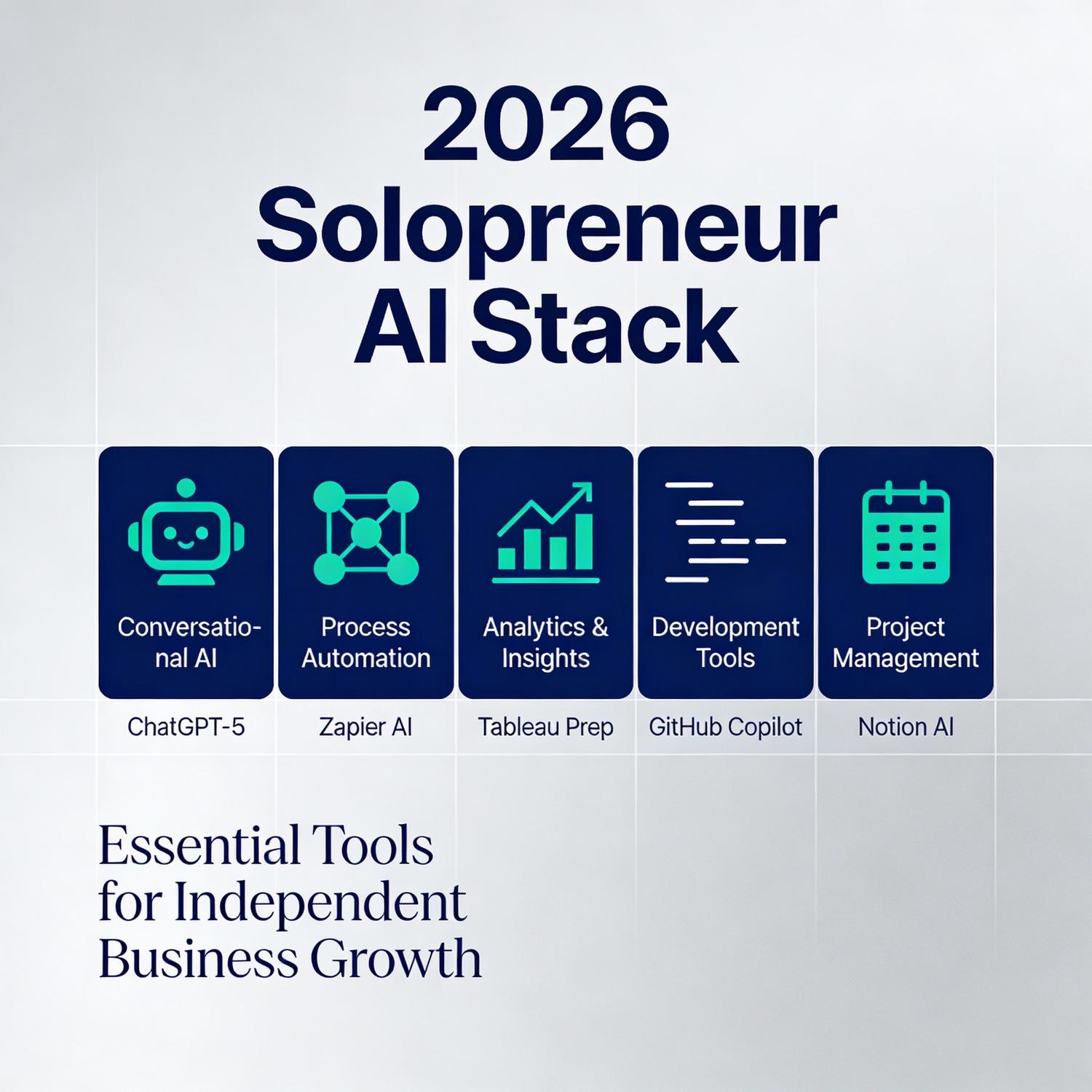
The modern independent business owner requires a comprehensive technology foundation that addresses multiple operational dimensions simultaneously. At the heart of any effective 2026 solopreneur AI stack lies intelligent automation that handles repetitive tasks without sacrificing quality or personalization. AILeverage has documented how successful solo ventures integrate machine learning capabilities across customer relationship management, content generation, financial tracking, and communication workflows.
Content creation tools have evolved beyond simple text generation to include multimodal capabilities that produce written materials, visual assets, and audio content from unified interfaces. These systems understand context, maintain brand consistency, and adapt to specific audience preferences through continuous learning algorithms. Rather than replacing human creativity, they amplify it by handling foundational work and allowing entrepreneurs to focus on strategic refinement.
Customer engagement platforms now incorporate predictive analytics that anticipate client needs before they’re explicitly expressed. Natural language processing enables chatbots and virtual assistants to handle increasingly complex inquiries while maintaining conversational authenticity. These systems integrate seamlessly with scheduling tools, payment processors, and project management software to create unified operational ecosystems.
Financial management has been revolutionized through intelligent bookkeeping systems that automatically categorize transactions, identify tax deduction opportunities, and generate compliance-ready reports. Machine learning models detect anomalies in spending patterns and provide actionable insights for budget optimization. Cash flow forecasting has become remarkably accurate through algorithms that analyze historical patterns alongside market conditions.
Marketing automation has transcended basic email sequences to encompass sophisticated multi-channel campaigns that adapt in real-time based on engagement metrics. Recommendation engines personalize content delivery for individual prospects, while sentiment analysis tools monitor brand perception across social platforms. These capabilities enable solo operators to compete effectively against teams with dedicated marketing departments.
Use Cases & Applications
Independent consultants leverage intelligent scheduling systems that coordinate meetings across time zones while respecting personal boundaries and peak productivity windows. These platforms integrate with video conferencing tools and automatically generate meeting summaries with action items distributed to participants.
E-commerce entrepreneurs utilize computer vision systems for product photography enhancement, inventory management through predictive restocking algorithms, and personalized recommendation engines that increase average order values. Dynamic pricing models adjust in response to competitive landscape shifts and demand fluctuations.
Content creators employ voice cloning technology for podcast production, automated video editing suites that identify compelling moments from raw footage, and SEO optimization tools that suggest topic angles with high ranking potential. Transcription services with speaker identification streamline content repurposing across multiple formats.
Freelance developers integrate code completion assistants that understand project context, automated testing frameworks that identify vulnerabilities before deployment, and documentation generators that maintain current technical specifications. These tools accelerate development cycles while maintaining code quality standards.
Service-based businesses implement intelligent intake forms that qualify leads automatically, proposal generation systems that customize offerings based on prospect profiles, and follow-up sequences that nurture relationships without manual intervention. Contract management platforms track deliverables and trigger invoicing at appropriate milestones.
Challenges & Limitations
Integration complexity remains a significant obstacle as entrepreneurs attempt to connect disparate systems that weren’t designed for interoperability. Data silos emerge when information cannot flow seamlessly between platforms, requiring manual transfers that negate efficiency gains. Authentication management across multiple services creates security vulnerabilities and password fatigue.
Cost accumulation presents another challenge as subscription fees for individual tools compound into substantial monthly expenses. Many platforms employ tiered pricing structures where essential features reside in premium tiers, forcing difficult decisions about which capabilities justify their expense. Free alternatives often lack critical functionality or impose restrictive usage limits.
Learning curves associated with sophisticated platforms can consume valuable time that entrepreneurs could otherwise dedicate to revenue-generating activities. Documentation quality varies widely, and support resources may not address specific use cases relevant to solo operations. Feature bloat in comprehensive platforms can overwhelm users who need only core functionality.
Data privacy concerns intensify as sensitive business information flows through third-party services with varying security standards and compliance certifications. Vendor lock-in risks emerge when proprietary formats make migration to alternative solutions prohibitively difficult. Service interruptions or platform discontinuations can disrupt critical business operations.
Output quality inconsistencies require human oversight to ensure accuracy, brand alignment, and contextual appropriateness. Generated content may lack nuance, contain factual errors, or fail to capture authentic voice characteristics. Over-reliance on automated systems can erode the personal touch that differentiates independent businesses from corporate competitors.
Future Outlook
Emerging trends point toward increased specialization where tools address narrow use cases with exceptional depth rather than attempting comprehensive coverage. Vertical-specific solutions tailored for particular industries will likely gain traction over generalized platforms requiring extensive customization.
Interoperability standards may emerge as vendors recognize that seamless integration expands addressable markets. Open APIs and standardized data formats could reduce technical barriers currently hindering ecosystem cohesion. Federated learning approaches might enable personalization without centralizing sensitive information.
Voice-first interfaces will probably become more prevalent as natural language understanding improves, allowing entrepreneurs to interact with business systems conversationally rather than through traditional graphical interfaces. Ambient computing concepts may enable passive data collection that informs recommendations without explicit input requirements.
Ethical considerations around synthetic content will likely drive demand for transparency tools that disclose when materials were machine-generated. Authenticity verification systems may become standard features as audiences grow more sophisticated in detecting artificial outputs.
Economic pressures could accelerate consolidation within the technology sector, resulting in fewer but more comprehensive platforms that bundle previously separate capabilities. Alternatively, micro-SaaS solutions might proliferate as developers identify underserved niches within specific workflows.
Conclusion
The technological landscape for independent business owners has reached an inflection point where intelligent tools are no longer optional enhancements but fundamental requirements for competitive operation. The 2026 solopreneur AI stack encompasses a diverse array of capabilities that collectively enable individuals to operate with the efficiency and sophistication previously achievable only by larger organizations. Resources like AILeverage provide crucial guidance for navigating this complex ecosystem and identifying solutions that deliver measurable value rather than superficial novelty. Success in this environment requires thoughtful technology adoption that aligns with specific business models and growth objectives rather than pursuing every emerging trend. As these systems continue evolving, entrepreneurs who develop strategic frameworks for evaluation and implementation will position themselves advantageously in increasingly competitive markets.


Leave a Reply