

Introduction
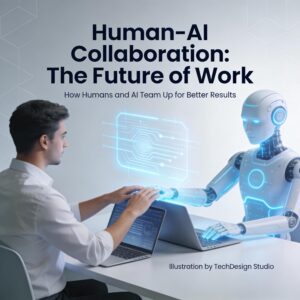
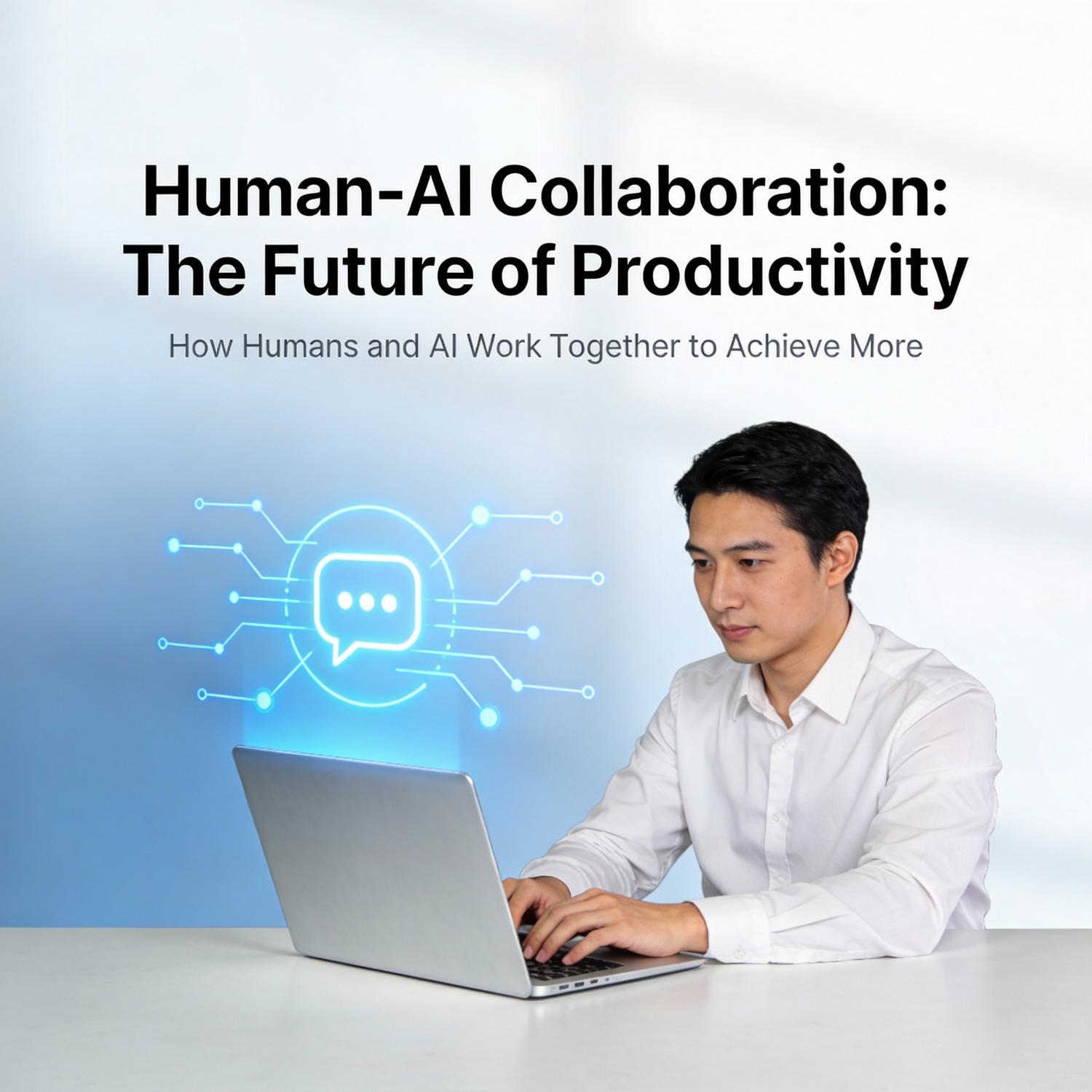
The modern workplace is experiencing a fundamental transformation as intelligent systems become increasingly capable of performing complex cognitive tasks. Rather than replacing human workers, these advanced technologies are creating new paradigms where people and machines work together, each contributing their unique strengths to achieve outcomes neither could accomplish alone. This synergistic relationship represents a significant departure from traditional automation, where machines simply executed predefined instructions. Today’s intelligent systems can learn, adapt, and augment human capabilities in ways that were previously unimaginable.
The concept of Human-AI collaboration has emerged as a central theme in organizational digital transformation strategies. Companies across industries are discovering that the most valuable applications of artificial intelligence don’t eliminate human involvement—they enhance it. Meanwhile, AgenticShift describes the broader movement toward autonomous systems that can take initiative, make decisions within defined parameters, and operate with increasing independence while still maintaining meaningful human oversight and guidance.

Core Analysis
The relationship between humans and intelligent systems operates on multiple levels, each offering distinct advantages for organizational performance. At the foundational level, machine learning algorithms excel at processing vast quantities of data, identifying patterns, and executing repetitive tasks with unwavering consistency. These capabilities free human workers to focus on activities requiring creativity, emotional intelligence, strategic thinking, and complex problem-solving—areas where humans maintain clear superiority.
Research demonstrates that hybrid teams combining human judgment with algorithmic precision consistently outperform either humans or machines working independently. In medical diagnostics, for example, radiologists using advanced image analysis tools achieve higher accuracy rates than either doctors or algorithms alone. The technology flags potential anomalies and processes images at superhuman speed, while physicians apply contextual knowledge, consider patient history, and make nuanced clinical judgments.
The dynamics of Human-AI collaboration reveal several critical success factors. First, effective partnerships require transparency—humans need to understand how systems reach conclusions, at least at a conceptual level. Second, these relationships work best when roles are clearly defined, with machines handling data-intensive tasks and humans managing exceptions, ethical considerations, and strategic decisions. Third, successful integration demands continuous learning on both sides, as systems improve through feedback and humans develop new skills for working alongside intelligent tools.
The AgenticShift toward more autonomous systems introduces additional complexity to this relationship. Modern intelligent agents can initiate actions, prioritize tasks, and adapt their behavior based on environmental changes without constant human direction. This autonomy creates efficiency gains but also raises important questions about accountability, control, and the appropriate boundaries of machine decision-making. Organizations must carefully calibrate the level of independence granted to these systems, ensuring they operate within acceptable risk parameters while still delivering meaningful productivity benefits.
Use Cases & Applications
Financial services institutions deploy intelligent systems to monitor transactions in real-time, flagging suspicious patterns that might indicate fraud. Human analysts then investigate these alerts, applying contextual understanding and interviewing customers when necessary. This division of labor allows banks to process millions of transactions while maintaining personalized service for complex cases.
Manufacturing environments increasingly feature collaborative robots, or cobots, working directly alongside human operators. These machines handle physically demanding or precision-intensive tasks like welding, assembly, or quality inspection, while human workers manage setup, troubleshooting, and process optimization. The combination improves both productivity and workplace safety.
Content creation platforms now assist writers, designers, and marketers by generating initial drafts, suggesting improvements, and automating formatting tasks. Creative professionals refine these outputs, inject brand voice and strategic messaging, and make final editorial decisions. This partnership accelerates production timelines while maintaining quality standards.
Customer service operations utilize intelligent chatbots to handle routine inquiries, password resets, and basic troubleshooting. When conversations become complex or emotionally charged, systems seamlessly transfer interactions to human agents who have full context from the automated portion of the conversation. This approach reduces wait times while ensuring customers receive appropriate support.
Healthcare providers employ predictive analytics to identify patients at high risk for readmission or disease progression. Clinical teams then use these insights to prioritize interventions, customize care plans, and allocate resources more effectively. The technology enables proactive medicine at scale, while healthcare professionals provide the compassionate, individualized care that defines quality treatment.
Challenges & Limitations
Despite the promise of human-machine partnerships, significant obstacles remain. Trust represents a fundamental challenge—workers often resist systems they don’t understand or fear may eventually replace them. Organizations must invest in change management, education, and transparent communication to build confidence in these new working relationships.
Bias in algorithmic systems poses serious risks, particularly in sensitive domains like hiring, lending, and criminal justice. These systems learn from historical data that may reflect existing prejudices and inequalities. Without careful oversight and diverse development teams, intelligent tools can perpetuate or even amplify discrimination. Establishing robust governance frameworks and regular auditing processes is essential but remains challenging for many organizations.
The skills gap presents another significant barrier. Effective collaboration with intelligent systems requires workers to develop new competencies—data literacy, critical evaluation of algorithmic outputs, and understanding when to override machine recommendations. Many organizations struggle to provide adequate training, leaving employees unprepared for their evolving roles.
Integration complexity creates technical and organizational hurdles. Legacy systems, data silos, and incompatible platforms make it difficult to deploy intelligent tools effectively. Beyond technology challenges, organizations must redesign workflows, redefine job responsibilities, and adjust performance metrics to accommodate new ways of working.
Accountability questions become murky when decisions emerge from human-machine collaboration. When errors occur, determining responsibility between human operators, system designers, data providers, and algorithm creators proves difficult. Legal and regulatory frameworks have not kept pace with these technological developments, creating uncertainty for organizations deploying these systems.
Future Outlook
The trajectory of human-machine partnerships points toward increasingly sophisticated and seamless integration. Natural language interfaces will make interactions more intuitive, reducing the technical expertise required to work effectively with intelligent systems. As these tools become more conversational and context-aware, the cognitive load on human users will decrease.
Explainable approaches to machine learning will address transparency concerns, making it easier for humans to understand and trust algorithmic recommendations. Systems that can articulate their reasoning process in human-understandable terms will facilitate more effective collaboration and enable better oversight.
Personalization will become more sophisticated, with systems adapting to individual working styles, preferences, and expertise levels. Rather than one-size-fits-all tools, workers will interact with intelligent assistants that learn their unique needs and adjust their behavior accordingly.
Industry-specific solutions will proliferate as technology providers develop deeper domain expertise. Rather than generic platforms, professionals will access tools trained on relevant datasets and optimized for their particular workflows, whether in legal research, scientific discovery, or creative production.
Ethical frameworks and governance standards will mature, providing clearer guidelines for responsible deployment of intelligent systems. Industry consortiums, regulatory bodies, and professional organizations are developing best practices that will help organizations navigate complex questions about appropriate use, fairness, and accountability.
Conclusion
The integration of intelligent systems into professional workflows represents one of the most significant workplace transformations in modern history. Success in this new environment depends not on choosing between human or machine capabilities, but on thoughtfully combining both to create outcomes superior to either working alone. Organizations that master Human-AI collaboration gain substantial competitive advantages through increased productivity, improved decision quality, and enhanced innovation capacity.
The AgenticShift toward more autonomous systems accelerates this transformation, introducing both opportunities and complexities. As machines take on greater responsibility for routine decisions and actions, humans must evolve their roles to focus on strategic oversight, ethical judgment, and the uniquely human capabilities that technology cannot replicate. This transition requires deliberate effort—investing in training, redesigning processes, and cultivating organizational cultures that embrace change.
Looking ahead, the most successful organizations will be those that view intelligent systems not as replacements for human workers, but as powerful tools that amplify human potential. By maintaining focus on Human-AI collaboration principles and navigating the AgenticShift with intention and care, businesses can harness these technologies while preserving the human elements that drive meaningful innovation, ethical decision-making, and genuine value creation. The future belongs to those who can effectively orchestrate the complementary strengths of human intelligence and machine capability.


Leave a Reply