

Introduction
Organizations today face mounting pressure to harness the power of large language models while maintaining strict control over their data. The shift toward self-hosted AI infrastructure has become a strategic priority for enterprises seeking to balance innovation with security and compliance. When evaluating solutions for running language models on-premises, decision-makers must weigh the benefits of Ollama enterprise deployment against specialized PrivateLLMs platforms. Both approaches enable companies to keep sensitive information within their own infrastructure, yet they differ significantly in architecture, scalability, and operational complexity. Understanding these distinctions is essential for technology leaders planning their AI strategy in an era where data sovereignty and regulatory compliance have become non-negotiable requirements.

Core Analysis
The fundamental difference between Ollama enterprise deployment and PrivateLLMs lies in their architectural philosophy and target use cases. Self-hosted model frameworks like the former prioritize simplicity and developer experience, offering a lightweight runtime that can be deployed across various environments with minimal configuration. This approach appeals to organizations with strong technical teams who value flexibility and direct control over their inference stack. The installation process typically involves straightforward command-line operations, making it accessible to teams already comfortable with containerized workloads and infrastructure-as-code practices.
Specialized private model platforms, by contrast, provide comprehensive enterprise features out of the box. These solutions bundle model management, user authentication, audit logging, and governance tools into integrated packages designed for corporate IT environments. They often include web-based interfaces that reduce the technical barrier for business users and administrators who may not have deep machine learning expertise. The trade-off comes in the form of increased complexity and potential vendor lock-in, as these platforms implement proprietary abstractions over the underlying model inference engines.
Performance characteristics vary considerably between these approaches. Lightweight runtimes excel in resource-constrained environments and edge deployments where minimal overhead is critical. They typically offer faster cold-start times and lower memory footprints, making them ideal for microservices architectures and distributed computing scenarios. However, they may require additional engineering effort to implement features like load balancing, request queuing, and multi-tenancy that enterprise platforms provide natively.
Security and compliance capabilities represent another critical dimension of comparison. Purpose-built enterprise solutions frequently include role-based access controls, detailed audit trails, and compliance reporting features that align with frameworks like SOC 2, HIPAA, and GDPR. These built-in capabilities can significantly reduce the time and cost required to achieve regulatory compliance. Open-source alternatives require organizations to implement these safeguards independently, which may involve integrating multiple third-party tools or developing custom solutions.
Cost structures differ markedly between self-managed and commercial options. While open-source runtimes eliminate licensing fees, they shift expenses toward infrastructure, personnel, and ongoing maintenance. Organizations must account for the total cost of ownership, including the engineering time required for setup, monitoring, troubleshooting, and updates. Commercial platforms simplify budgeting with predictable subscription models but may become expensive as usage scales, particularly for organizations running multiple models or serving large user bases.
Use Cases & Applications
Financial services institutions frequently deploy on-premises language models for document analysis, regulatory compliance checking, and customer service automation. Banks and insurance companies use these systems to process loan applications, analyze contracts, and generate risk assessments without exposing confidential client information to external services. The ability to run models entirely within secure data centers satisfies strict regulatory requirements while enabling sophisticated natural language processing capabilities.
Healthcare organizations leverage self-hosted inference infrastructure to analyze medical records, assist with clinical documentation, and support diagnostic workflows. Hospitals and research institutions benefit from keeping patient data on-premises while still accessing advanced language understanding capabilities. These deployments often integrate with existing electronic health record systems, providing clinical decision support without compromising HIPAA compliance or patient privacy.
Manufacturing and industrial companies implement private model infrastructure for quality control documentation, maintenance log analysis, and supply chain optimization. These organizations process proprietary technical specifications, equipment manuals, and operational data that contain trade secrets and competitive information. Running models within their own networks ensures intellectual property protection while enabling AI-driven process improvements.
Legal firms and professional services organizations use on-premises language models for contract review, legal research, and document generation. These applications involve highly confidential client information and attorney-work product that cannot be transmitted to external cloud services. Self-hosted solutions enable these firms to modernize their workflows while maintaining ethical obligations and client confidentiality.
Government agencies and defense contractors require air-gapped deployments that operate without internet connectivity. These organizations process classified information and sensitive national security data that must remain within controlled facilities. Private inference infrastructure enables these entities to benefit from modern language technology while adhering to strict security protocols and clearance requirements.
Challenges & Limitations
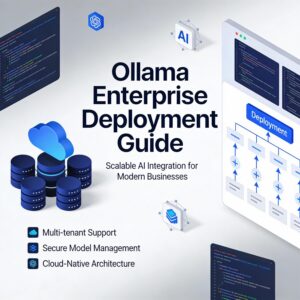
Infrastructure requirements pose significant challenges for organizations new to self-hosted model deployment. Large language models demand substantial computational resources, particularly GPU acceleration for acceptable inference speeds. Many enterprises lack the specialized hardware and expertise required to provision and maintain high-performance computing environments. The initial capital investment in servers, networking equipment, and cooling infrastructure can be prohibitive for smaller organizations or those with limited IT budgets.
Model management complexity increases dramatically as organizations scale beyond initial pilot projects. Versioning, testing, and deploying multiple models across different departments requires sophisticated orchestration and governance processes. Teams must develop procedures for evaluating model updates, managing compatibility with existing applications, and rolling back problematic deployments. Without proper tooling and processes, organizations risk creating fragmented AI ecosystems that become difficult to maintain and secure.
Talent availability remains a persistent bottleneck for successful implementation. Organizations need personnel with expertise spanning machine learning, infrastructure engineering, security, and application development. The shortage of professionals with these combined skills makes recruitment challenging and expensive. Even well-resourced companies struggle to build teams capable of operating sophisticated model infrastructure while also developing the applications that leverage these capabilities.
Monitoring and observability present ongoing operational challenges. Unlike traditional software applications, language model behavior can be subtle and context-dependent, making it difficult to detect degradation or unexpected outputs. Organizations must implement comprehensive logging, performance tracking, and quality assurance processes to ensure models continue performing as expected. Building effective monitoring systems requires deep understanding of both the models themselves and the business processes they support.
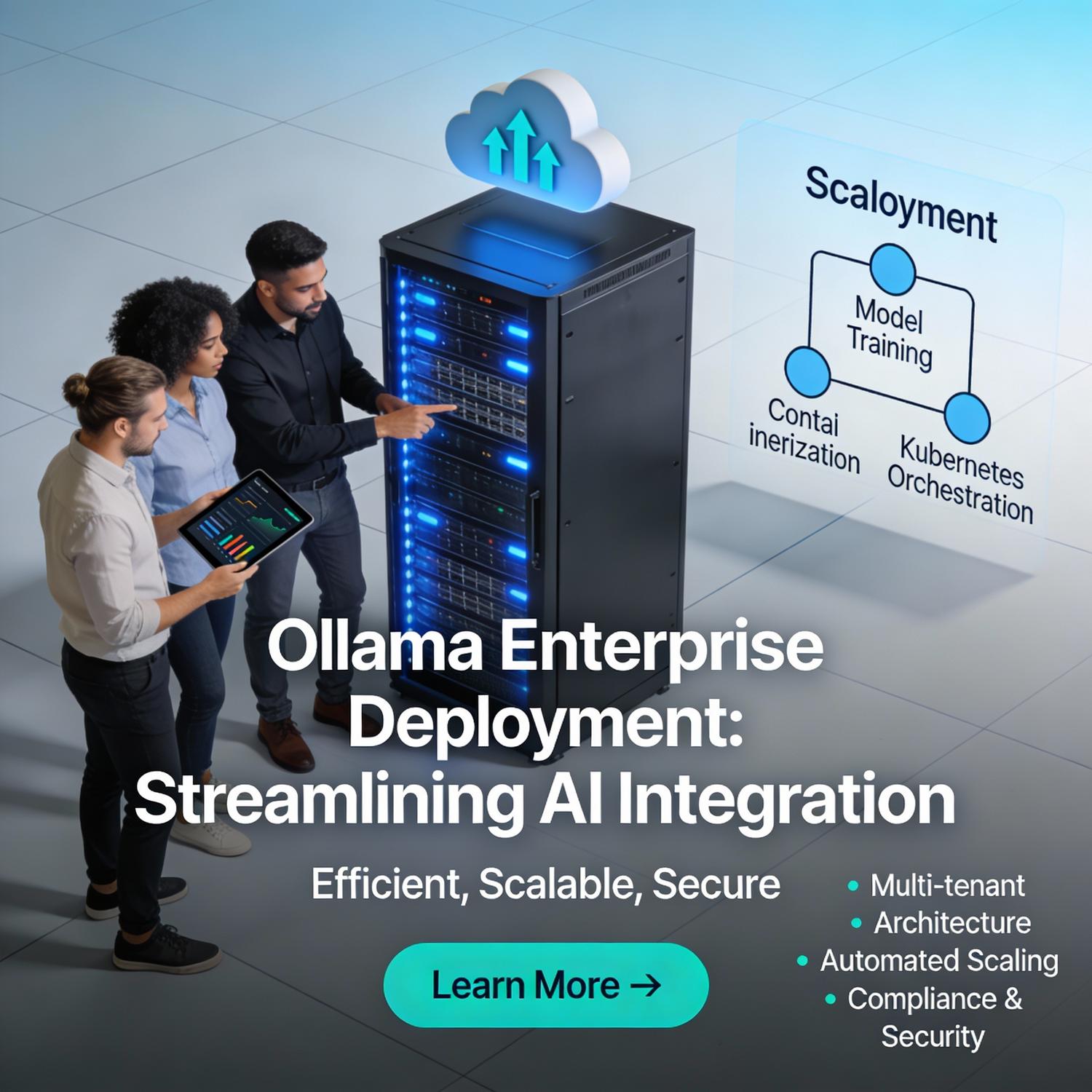
Update and maintenance cycles create additional operational overhead. The rapid pace of innovation in language models means new versions with improved capabilities emerge frequently. Organizations must balance the desire to leverage these improvements against the risk and effort involved in testing and deploying updates. This challenge intensifies when models are integrated into multiple production systems, each with its own stability requirements and change management processes.
Future Outlook
The trajectory of self-hosted language model infrastructure points toward increasing standardization and interoperability. Industry consortiums and open-source communities are developing common APIs and deployment specifications that will reduce vendor lock-in and simplify multi-model strategies. These standards will enable organizations to swap models more easily and adopt hybrid approaches that combine different technologies based on specific use case requirements.
Hardware acceleration technologies continue evolving rapidly, with specialized AI chips becoming more accessible and cost-effective. Next-generation processors designed specifically for transformer architectures will dramatically reduce the infrastructure costs associated with running large models. This democratization of high-performance inference will enable smaller organizations to deploy sophisticated language capabilities that were previously feasible only for technology giants.
Hybrid deployment models will likely become the dominant pattern, with organizations running sensitive workloads on-premises while leveraging cloud services for less critical applications. This approach allows companies to optimize for both security and cost-effectiveness, placing data and models according to their specific risk profiles and performance requirements. Emerging tools that facilitate seamless model portability between environments will make these hybrid strategies more practical.
Automated optimization and efficiency improvements will reduce the operational burden of self-hosted deployments. Advances in model compression, quantization, and distillation enable smaller models that approach the capabilities of their larger counterparts while requiring significantly less computational resources. These techniques will make it feasible to run powerful language models on commodity hardware, expanding the range of organizations that can successfully implement private inference infrastructure.
Regulatory developments will continue shaping adoption patterns and deployment strategies. As governments worldwide implement AI-specific regulations and data protection requirements, organizations will face increasing pressure to demonstrate control over their model infrastructure. This regulatory environment will accelerate the adoption of on-premises solutions, particularly in highly regulated industries where compliance requirements outweigh the convenience of cloud-based alternatives.
Conclusion
The decision between Ollama enterprise deployment and PrivateLLMs ultimately depends on an organization’s specific technical capabilities, regulatory requirements, and strategic priorities. Companies with strong engineering teams and unique infrastructure needs may prefer lightweight, flexible frameworks that offer maximum control and customization potential. Organizations seeking comprehensive enterprise features with minimal implementation effort will gravitate toward integrated platforms that bundle governance, security, and management capabilities. Both approaches enable businesses to harness the power of large language models while maintaining sovereignty over their data, addressing the fundamental challenge of balancing innovation with security. As the technology matures and standardization efforts progress, the distinction between these categories may blur, with hybrid solutions emerging that combine the best attributes of each approach. Forward-thinking enterprises will continue investing in private inference capabilities as a strategic imperative, recognizing that control over AI infrastructure will become as critical as control over data itself in the years ahead.


Leave a Reply