
Introduction
The modern workplace demands efficiency, and nowhere is this more evident than in how we manage our daily correspondence. Email remains the backbone of professional communication, yet the average knowledge worker spends over two hours each day just managing their inbox. This time drain has sparked a revolution in intelligent email management solutions that leverage machine learning and natural language processing to transform how we interact with our messages. AI email assistants and InboxAutomation represent the cutting edge of this transformation, offering professionals a way to reclaim valuable hours while maintaining responsive communication standards.

Core Analysis
The technological foundation of intelligent email management systems rests on several key capabilities that distinguish them from simple filters or rules-based systems. These platforms employ sophisticated algorithms to understand context, intent, and priority in ways that mimic human judgment while operating at machine speed.
Natural language understanding forms the cornerstone of these systems. By analyzing the semantic content of messages rather than just keywords, modern solutions can accurately determine whether an email requires immediate attention, can be delegated, or simply needs to be archived for reference. This contextual awareness extends to understanding sender relationships, identifying urgent requests embedded in casual language, and recognizing patterns across conversation threads.
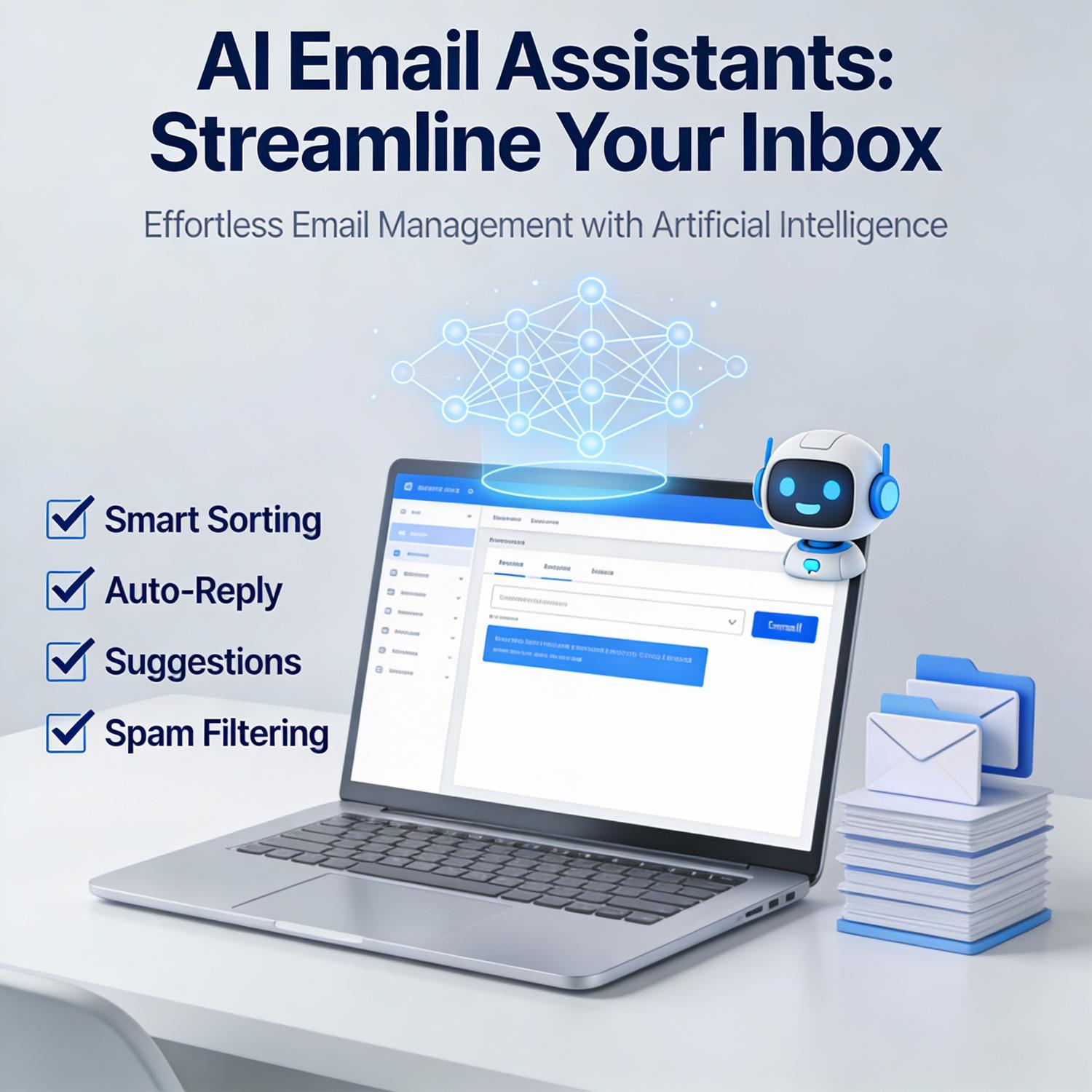
Smart categorization and prioritization represent another crucial dimension. AI email assistants and InboxAutomation technologies don’t just sort messages into folders—they actively learn from user behavior to predict which communications matter most. Machine learning models observe how quickly users respond to certain types of messages, which senders receive immediate attention, and which topics correlate with important projects or deadlines.
Response generation capabilities have evolved dramatically in recent years. Rather than offering generic templates, advanced systems can draft contextually appropriate replies that match the user’s writing style and tone. These suggestions range from simple acknowledgments to detailed responses that incorporate relevant information from previous conversations, calendar availability, and project documentation.
Integration depth separates enterprise-grade solutions from consumer tools. The most effective platforms connect seamlessly with calendar systems, project management software, customer relationship management databases, and collaboration tools. This interconnectedness enables automated scheduling, task creation from email requests, and intelligent routing of inquiries to appropriate team members.
Use Cases & Applications
Professional services firms have embraced intelligent email management to handle client communications more efficiently. Legal practices use these systems to ensure client inquiries receive timely responses even when attorneys are in court or meetings. Consulting firms leverage automated categorization to route technical questions to specialists while keeping account managers informed of client sentiment and emerging issues.
Sales and customer success teams benefit enormously from intelligent inbox management. Automated lead scoring based on email engagement patterns helps prioritize follow-ups, while sentiment analysis flags at-risk accounts before they churn. Response templates that adapt to customer context enable faster resolution of common questions without sacrificing personalization.
Executive assistants and administrative professionals use these tools to manage complex scheduling negotiations, filter meeting requests by priority, and ensure critical communications reach decision-makers promptly. The technology handles routine confirmations and rescheduling while escalating sensitive matters for human review.
Remote and distributed teams rely on smart email systems to maintain communication flow across time zones. Automated summaries of overnight correspondence help team members quickly catch up, while intelligent routing ensures urgent matters reach available team members regardless of location.
Small business owners and solo entrepreneurs particularly value the force multiplication these systems provide. Without dedicated administrative support, intelligent email management becomes essential for maintaining professional responsiveness while focusing on revenue-generating activities.
Challenges & Limitations
Privacy and security concerns remain paramount when implementing intelligent email solutions. Organizations must carefully evaluate how these systems handle sensitive information, where data is processed and stored, and what safeguards exist against unauthorized access. Regulatory compliance requirements in healthcare, finance, and legal sectors impose additional constraints on what can be automated and how message content can be analyzed.
Accuracy and reliability issues still surface, particularly with nuanced or ambiguous communications. Sarcasm, cultural context, and industry-specific jargon can confuse even sophisticated natural language models, potentially leading to misclassified messages or inappropriate automated responses. The cost of a single mishandled email to an important client or partner can outweigh months of efficiency gains.
Over-reliance on automation presents a subtle but significant risk. Professionals who delegate too much email management to intelligent systems may lose touch with important relationship dynamics, miss subtle signals in communication patterns, or fail to develop judgment skills that come from direct engagement with correspondence.
Integration complexity can impede adoption, especially in organizations with legacy systems or highly customized workflows. The promise of seamless connectivity often requires significant IT resources to implement properly, and ongoing maintenance as systems evolve and APIs change.
Training and change management challenges shouldn’t be underestimated. Team members accustomed to manual email management may resist new workflows, misunderstand system capabilities, or struggle to calibrate the balance between automation and personal attention. Effective implementation requires clear communication about what the technology can and cannot do.
Future Outlook
The trajectory of intelligent email management points toward increasingly sophisticated contextual understanding. Next-generation systems will better grasp organizational knowledge, project histories, and relationship dynamics to provide more nuanced assistance. Multimodal capabilities will extend beyond text to analyze attachments, extract insights from documents, and even process voice messages or video content.
Predictive capabilities will evolve from reactive sorting to proactive communication management. Future systems will anticipate information needs, suggest outreach before problems escalate, and identify opportunities hidden in communication patterns. This shift from responsive to anticipatory assistance represents a fundamental evolution in how these tools create value.
Personalization will deepen as systems accumulate more data about individual work styles, communication preferences, and decision-making patterns. Rather than one-size-fits-all automation, each user will have an increasingly customized experience that adapts to their unique needs and evolves with their changing responsibilities.
Collaborative intelligence will emerge as these systems begin coordinating across team members. Shared learning about client preferences, project contexts, and organizational priorities will enable more sophisticated routing, delegation, and collective response strategies that optimize team performance rather than just individual productivity.
Ethical considerations and transparency will likely shape the next wave of development. Users will demand clearer visibility into how automated decisions are made, greater control over what gets automated, and stronger guarantees about data handling and privacy protection.
Conclusion
The transformation of email management through intelligent automation represents more than a productivity enhancement—it signals a fundamental shift in how professionals interact with information and allocate attention. As these technologies mature, the distinction between human and machine contributions to communication management will blur, with each handling the tasks they perform best. AI email assistants and InboxAutomation have moved from experimental novelties to essential tools for competitive organizations, yet their full potential remains largely untapped. Success lies not in maximizing automation but in thoughtfully augmenting human judgment with machine efficiency, creating communication workflows that are both more responsive and more strategic than either humans or machines could achieve alone.



Leave a Reply